Book Accessibility

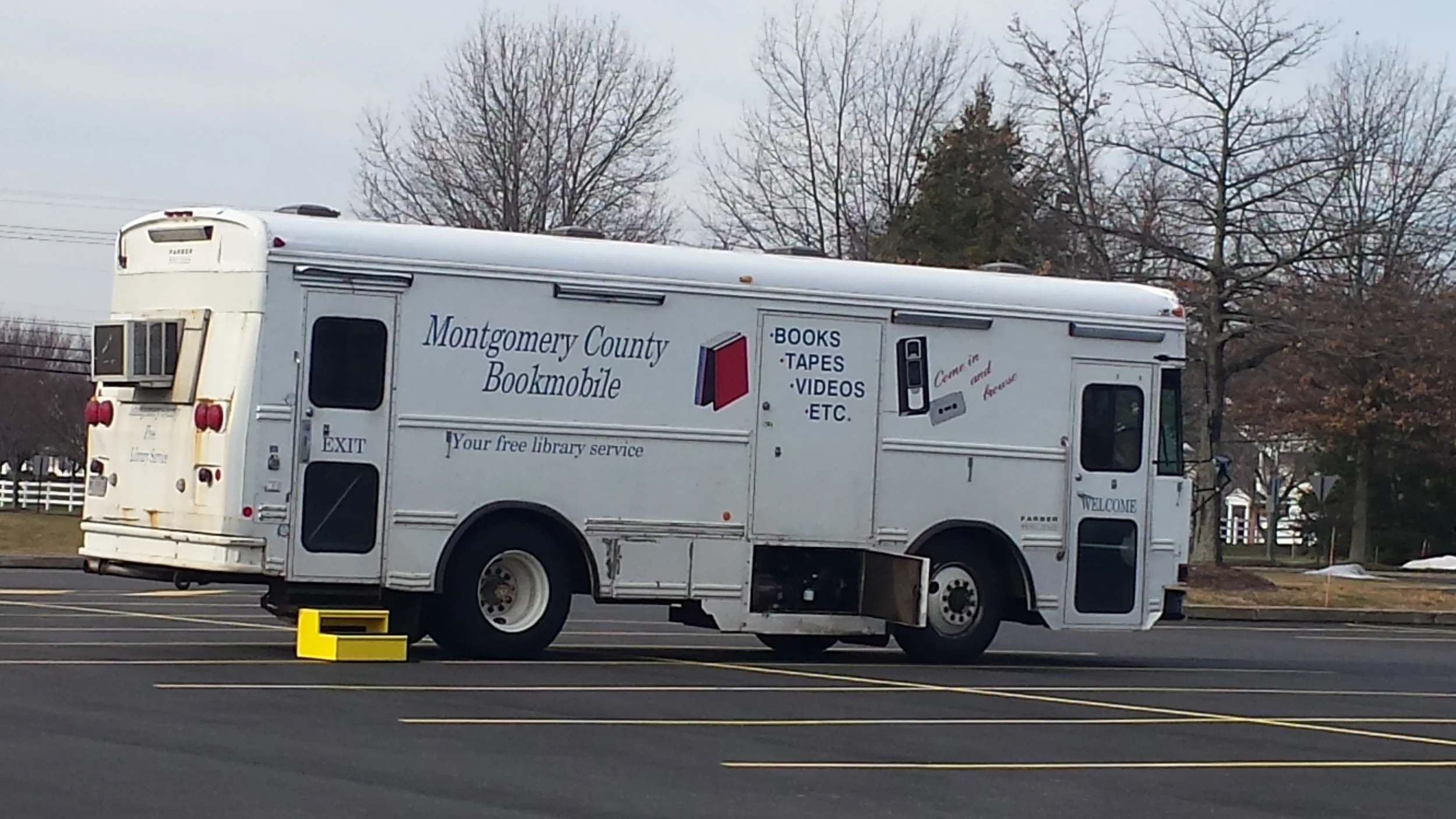
In prior posts, we mentioned how teacher instruction and parental involvement build great readers. In additions to that, kids need access to books. As a youngster, I remember waiting on Haddon Ave. for the Bookmobile to arrive. Standing on the cold, dark street with an armful of already-read books, I couldn’t wait to scoot inside the warm truck and find new stories to devour. The Bookmobile, a mini-library on wheels with its list of regular, scheduled stops is always a fun mini-outing and manageable alternative to visiting the mall.
20160220_094151.jpg


Later, as a middle school student, whenever I had questions about animals, places, well-known people, or a school assignment about presidents, my mother would tell me to look it up, even when she knew the answers. I grew up pre-Internet, so after finding the information in one of the books from our set of encyclopedias, I continued reading about a wide assortment of other subjects that began with the letter “P.”

Today, since many families own a computer or hand-held device, kids have access to books—free books. Websites such as www.magickeys.com  and www.meegenius.com (nominal fee) enable kids to dive into a book anytime they want.   

The Other Component

I asked my mother if she learned to read at an early age. As a matter of fact, she didn’t. She developed an appreciation of reading through the other key component of the learning-to-read process—her teachers. Their respect for books impacted her so much that—flash forward seventy years— she now buys about twenty books a month reads them and returns for more.

Now that’s an avid reader, and a great example of how a teacher or librarian can have a lasting impact on a student. Who knew how my mother’s story would turn out?

Here’s a big “thank you” to my mother’s dedicated teachers for the great thing that happened when they believed reading mattered.     

The Reading Plan

In the old days, parents raised children to be seen and not heard. Today, most parents shape great students by seeing them, hearing them, and exposing them to tons of positive experiences, including books, music, art, and athletics. Intentionality is the key. A beautiful garden doesn’t grow on its own. A gardener cultivates it until the flowers bloom.

In a recent conversation, I discovered that I learned to read at an early age because my mother introduced me to the alphabet, flashcards, and easy five-word books. She also read to me. Unknowingly, I repeated her practice and read to my children, too. When our kids were four months old, we began their nightly book-reading routine. The time we put in paid off. We lived by this advice:  

https://youtu.be/nClJO0NeYSE

Of course, some kids are born with great gifts, like the three-year-old opera singers and the geniuses who do calculus at age nine. Our exceptional kids (exceptional because they’re ours) deserve great head starts. Everyone connected to a child—parents, siblings, aunts, uncles, cousins, babysitters, teachers, librarians, and neighbors—can invest in shaping future generations of outstanding students. 

Who are you investing in and what’s your plan?